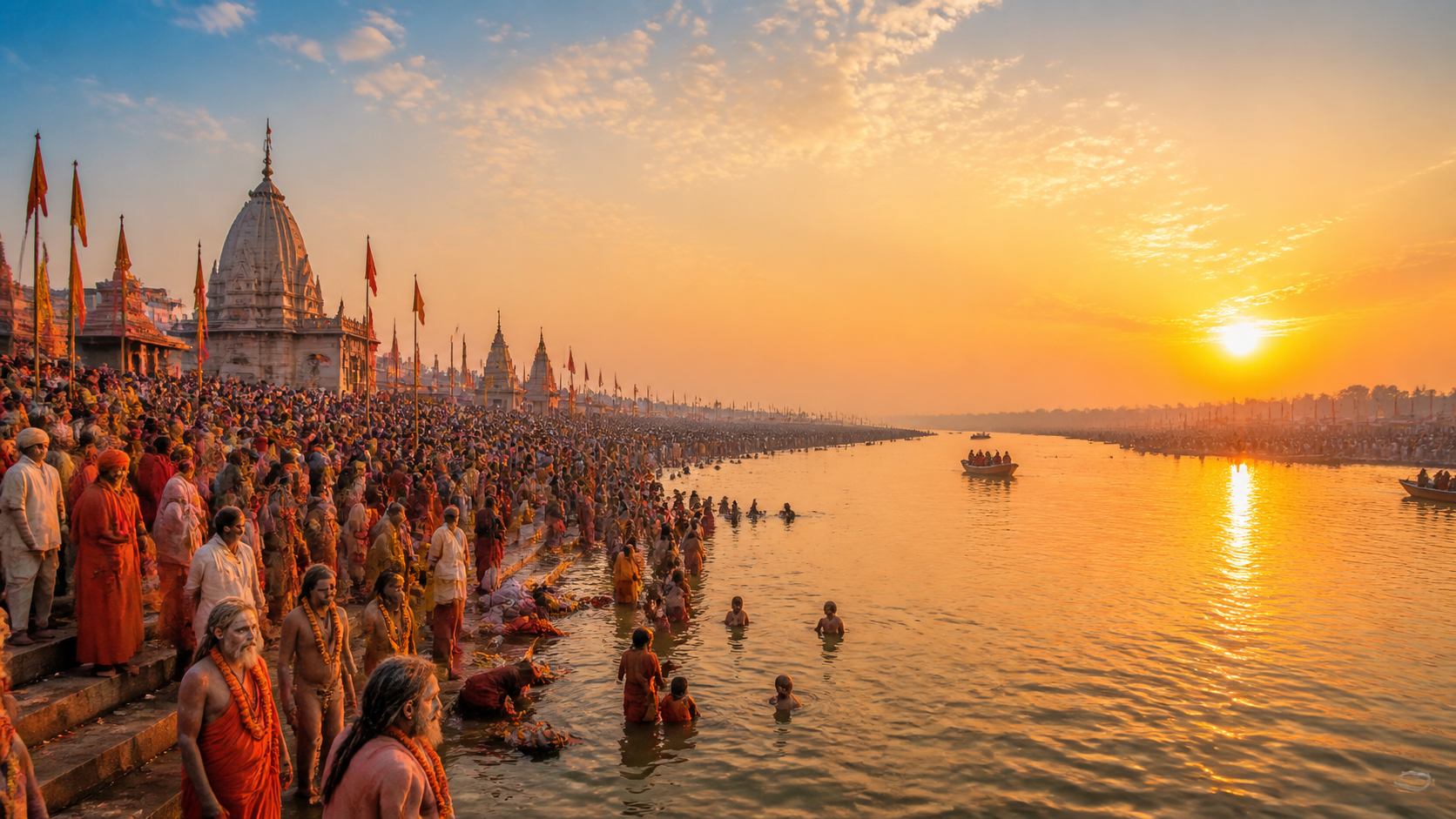
Nashik Kumbh Mela 2027 Guide
नाशिक कुंभमेळा २०२७
Discover everything you need to know about Nashik Kumbh Mela 2027, including Ramkund, Trimbakeshwar Jyotirlinga, Panchavati, Godavari River, Shahi Snan dates, Amrit Snan, temples, sacred ghats, pilgrimage rituals, accommodation, transportation, travel planning, safety tips, and the latest official updates.
50+
Detailed Guides
2027
Latest Updates
Ramkund
Sacred Bathing Ghat
Trimbakeshwar
Jyotirlinga Temple
Information is regularly updated using official announcements from the Maharashtra Government and Nashik District Administration.
Popular Nashik Kumbh Mela Guides
Start planning your pilgrimage with our most visited guides covering Kumbh Mela dates, Ramkund, Trimbakeshwar Temple, Panchavati, travel planning, accommodation, safety, and visitor tips.
Important Dates 2026-2028
Mark your calendar for these sacred occasions
Amrit Snan - Holy Baths
Most auspicious bathing days for spiritual purification
First Amrit Snan
August 2, 2027
Ashadh Somvati Amavasya (Monday)
Location: Godavari River
Second Amrit Snan
August 31, 2027
Shravan Amavasya
Location: Godavari River
Third Amrit Snan
September 11, 2027
Bhadrapada Shuddha Ekadashi
Location: Panchvati
Complete Event Calendar
October 31, 2026
Flag Hoisting - Kumbh Parva Begins
July 24, 2027
Akhara Flag Hoisting (Ashadha Krishna Panchami)
July 29, 2027
Nagar Pradakshina
September 5, 2027
Rishi Panchami
November 10 & 14, 2027
Kartik Shudh Ekadashi & Purnima
January 26, 2028
Mouni Amavasya
February 1, 2028
Vasant Panchami
February 8, 2028
Ganga Godavari Mahotsav
February 27, 2028
Maha Shivratri
May 25 - June 2, 2028
Ganga Dussehra Utsav
July 24, 2028
Official Conclusion - Flag Lowering
About Nashik Kumbh Mela
Understanding the world's largest peaceful gathering
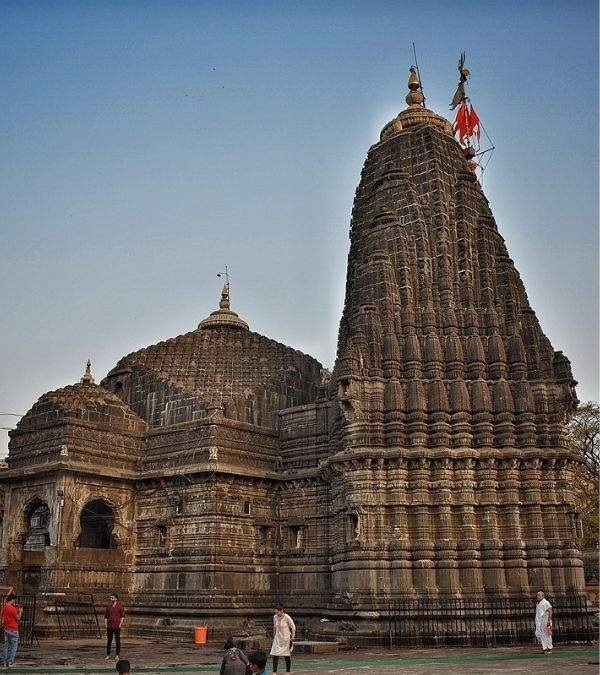
Trimbakeshwar Jyotirlinga
One of the 12 Jyotirlingas
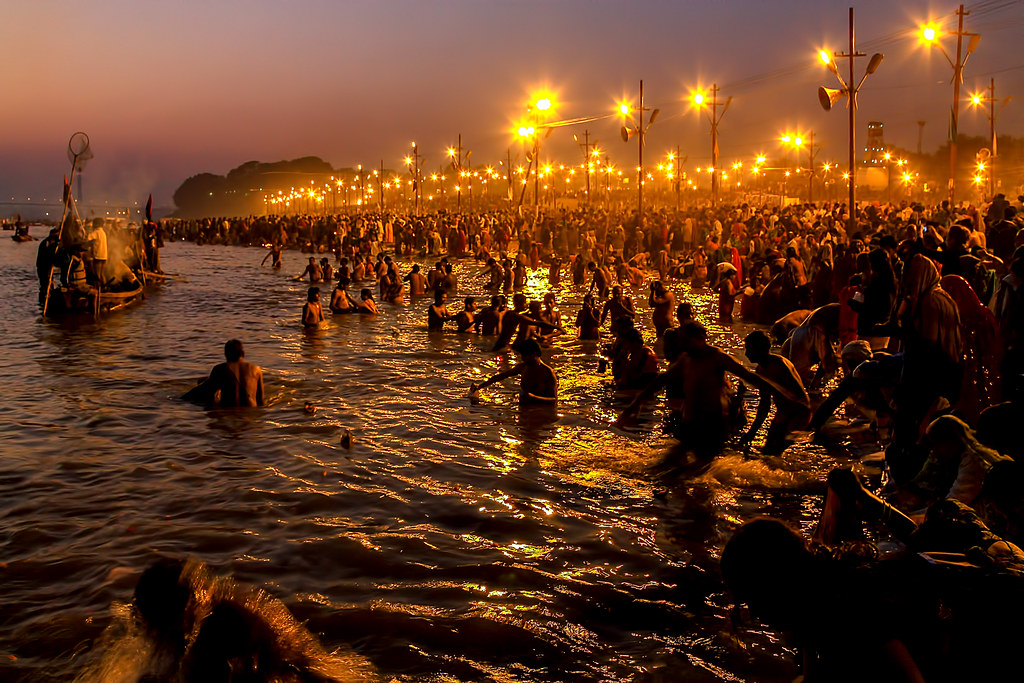
Godavari River
Sacred river of Nashik
Held Every 12 Years
Kumbh Mela at Nashik occurs once every twelve years, with Ardh Kumbh (half Kumbh) held every six years. The timing is determined by astrological positions of Jupiter and the Sun.
Holy Godavari River
The sacred Godavari River, originating from Trimbakeshwar, is considered one of the holiest rivers in India. Bathing in its waters during Kumbh is believed to wash away sins.
Millions of Pilgrims
The Nashik Kumbh Mela attracts millions of devotees from across India and the world. The gathering includes saints, sadhus, and pilgrims seeking spiritual blessings.
The Legend of Amrit
According to Hindu mythology, during the churning of the ocean (Samudra Manthan) by gods and demons to obtain the nectar of immortality (amrit), drops of the nectar fell at four places: Prayagraj, Haridwar, Ujjain, and Nashik (Trimbakeshwar). These four places are where Kumbh Mela is celebrated. The sacred gathering offers devotees a chance to cleanse their sins and attain spiritual merit by bathing in the holy waters during auspicious times.
Understanding Kumbh Mela
Learn about the history, significance, spiritual importance, and traditions of Kumbh Mela, one of the world's largest religious gatherings.
What is Kumbh Mela?
Kumbh Mela is the largest spiritual gathering in the world and one of the most important festivals in Hinduism. Millions of pilgrims, saints, devotees, and spiritual seekers gather at sacred rivers to take a holy bath known as Snan. The festival is celebrated at four locations: Nashik, Prayagraj, Haridwar, and Ujjain. According to Hindu tradition, bathing during Kumbh Mela helps devotees seek spiritual purification and divine blessings.
Why is Kumbh Mela Celebrated?
Kumbh Mela is celebrated because of the ancient story of Samudra Manthan, the churning of the cosmic ocean by gods and demons. During this event, drops of Amrit, the nectar of immortality, are believed to have fallen at four sacred locations. These places later became the sites of Kumbh Mela. The festival symbolizes faith, spiritual awakening, and the pursuit of liberation.
Importance of Kumbh Mela
The importance of Kumbh Mela extends beyond ritual bathing. It represents devotion, cultural heritage, spiritual learning, and the preservation of ancient traditions. Saints, Akharas, Naga Sadhus, and pilgrims come together to participate in religious ceremonies, spiritual discussions, and sacred rituals. The event is recognized globally as one of humanity's most remarkable gatherings of faith.
Why Nashik Hosts Kumbh Mela
Nashik Kumbh Mela is celebrated on the banks of the sacred Godavari River and at Trimbakeshwar, one of the twelve Jyotirlingas of Lord Shiva. According to tradition, a drop of Amrit fell in this region during Samudra Manthan. Important locations such as Ramkund, Panchavati, Kushavarta Kund, and Trimbakeshwar become major pilgrimage centers during the Nashik Kumbh Mela and Shahi Snan ceremonies.
Must Visit Places During Kumbh
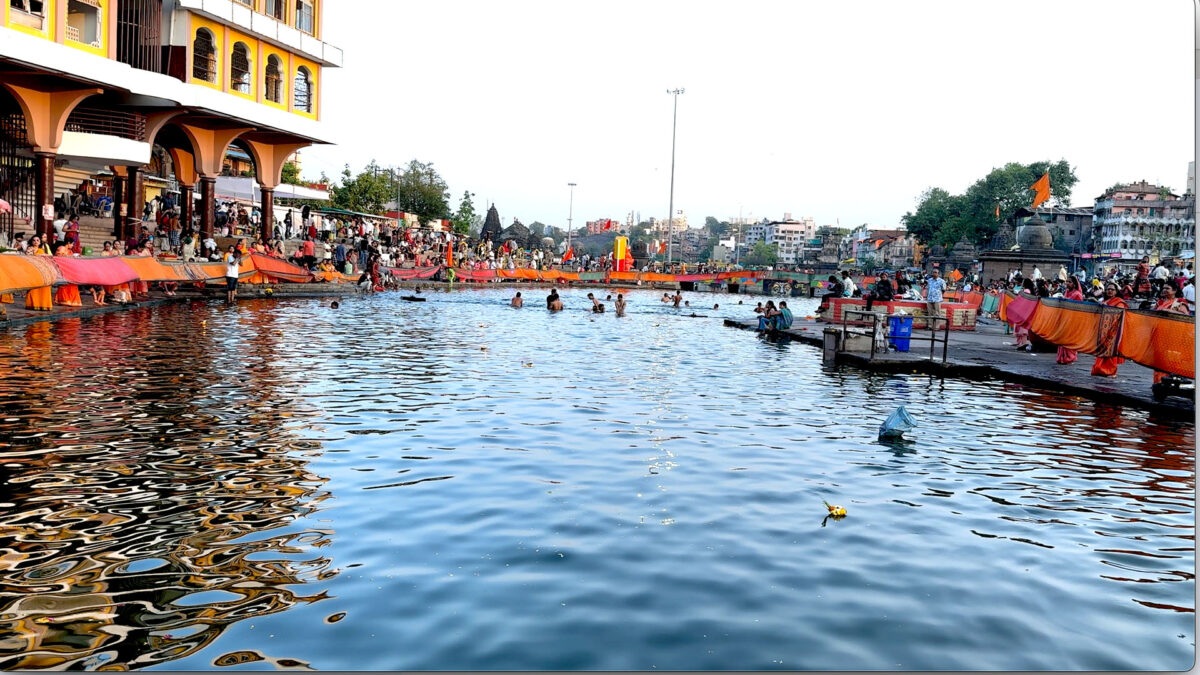
Explore Nashik Kumbh Mela
Discover the traditions, sacred rituals, pilgrimage sites, and spiritual experiences that make Nashik Kumbh Mela one of the most important religious gatherings in the world.
Shahi Snan & Amrit Snan Guide
Learn about the most sacred bathing rituals of Kumbh Mela, their significance, traditions, and importance for pilgrims.
Akharas & Naga Sadhus
Explore the history, traditions, and role of Akharas and Naga Sadhus during Nashik Kumbh Mela.
Ramkund Guide
Discover the spiritual significance of Ramkund, the most important bathing ghat during Nashik Kumbh Mela.
Panchavati Guide
Explore the sacred land associated with Lord Rama and one of Nashik's most important pilgrimage destinations.
Trimbakeshwar Guide
Learn about one of the twelve Jyotirlingas and its deep connection with Nashik Kumbh Mela.
Godavari River & Ghats
Explore the sacred Godavari River, Ramkund, Kushavarta Kund, and other important ghats of Nashik.
Plan Your Sacred Journey
Everything you need to know for a blessed pilgrimage
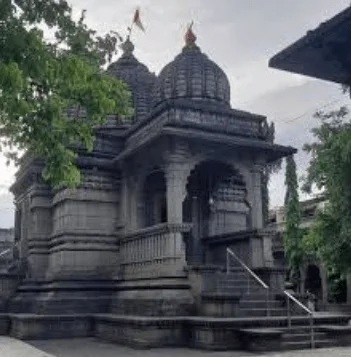
Sacred Temples
Visit ancient temples including Trimbakeshwar Jyotirlinga, Kalaram Temple, and other significant shrines.
Explore TemplesHoly Ghats
Take sacred dips at Ramkund, Kushavarta Kund, and other holy bathing ghats along the Godavari River.
View Ghats
Travel Guide
Information about railway station, bus stand, airport, and getting around Nashik during Kumbh Mela.
Travel Info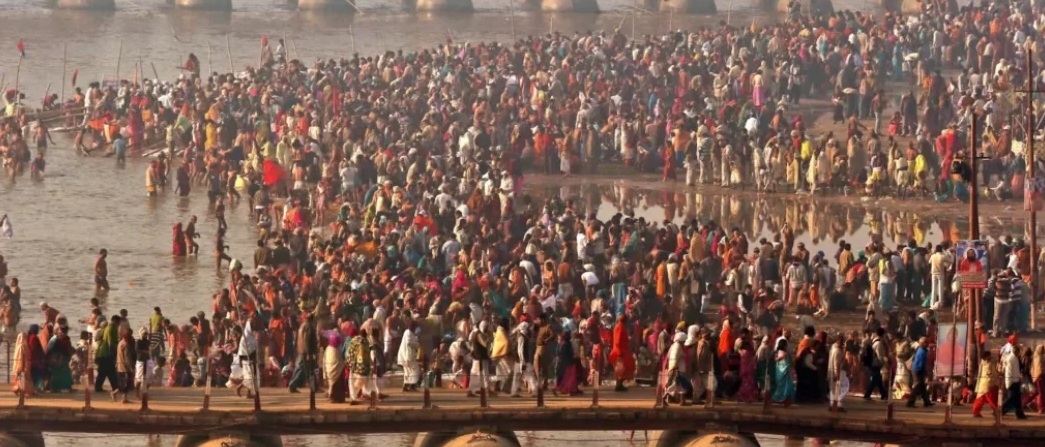
About Kumbh
Learn about the history, significance, and traditions of the Nashik-Trimbakeshwar Kumbh Mela.
Learn More
Latest Updates
Stay informed with official announcements, dates, and important information about Kumbh Mela.
View UpdatesImportant Notice
All information on this website is sourced from official announcements. Please verify dates and arrangements with local authorities before planning your visit.
About This Guide
This website is created and maintained by a local resident of Nashik to help pilgrims and visitors navigate the sacred Nashik-Trimbakeshwar Kumbh Mela. Designed specifically for mobile access, all information is regularly updated based on official sources from the Maharashtra Government and Nashik District Administration.
Quick Guide for Kumbh Pilgrims
🛕 Must Visit Temples
Explore sacred temples like Trimbakeshwar Jyotirlinga, Kalaram Temple and many more spiritual places.
View all temples →🌊 Holy Ghats & Snan
Know best ghats for holy bath including Ramkund and Godavari river banks.
Explore ghats →Latest Kumbh Updates & Guides
What is Kumbh Mela and Why is it Celebrated?
Know the spiritual meaning, history and importance of the world's largest religious gathering.
Read Full Article →Nashik Kumbh Mela 2027 Dates & Full Schedule
Complete list of Amrit Snan dates, major bathing days and full Kumbh Mela 2026-2028 schedule.
View All Dates →Trimbakeshwar Temple Guide for Nashik Kumbh Mela 2027
Explore Trimbakeshwar Jyotirlinga, Kushavarta Kund, temple rituals, darshan timings, travel guidance, and the spiritual importance of Trimbakeshwar during Nashik Kumbh Mela 2027.
Read Full Guide →₹1,600 Crore Clean Godavari Project Intensified Ahead of Nashik Kumbh Mela 2027
Nashik Municipal Corporation is accelerating sewage treatment, sanitation systems, pumping stations, and river cleanup projects ahead of Kumbh Mela 2027.
Read Full Update →Nashik Kumbh Mela 2027 Railway Travel Guide
Complete railway travel guide including train routes, Nashik Road station information, booking tips, and transportation details for pilgrims.
Read Railway Guide →The origin story of Kumbh Mela
Learn more about the spiritual background of the festival in our guide on
Read History →Ramkund Nashik Guide for Kumbh Mela 2027
Explore the spiritual significance of Ramkund, important bathing rituals, nearby temples, travel tips, and pilgrimage information for Nashik Kumbh Mela 2027.
Read Guide →Planning to travel to Nashik Kumbh Mela 2027 by road or bus?
explains highway routes, bus transportation, official booking platforms, nearby city connectivity, and useful travel tips for pilgrims and visitors.
Read Guide →₹22,425.39 Crore Development Plan for Nashik Kumbh Mela 2027
Full breakdown of government budget, roads, railway, airport upgrades and infrastructure projects.
Read Latest Update →Explore our detailed guides on Ramkund, Trimbakeshwar Temple, the Godavari River, and our Nashik Kumbh Mela 2027 Dates Guide
Trusted Pilgrimage Information
Why Trust Nashik Kumbh Guide?
Nashik Kumbh Guide is an independent informational platform created to help pilgrims, devotees, and travelers visiting Nashik Kumbh Mela 2027. Our goal is to provide useful pilgrimage guidance, temple information, travel resources, transportation updates, and spiritually relevant content based on publicly available references, official updates, and regional travel information.
Pilgrimage-Focused Information
Detailed guides related to temples, ghats, rituals, travel routes, accommodation, and Kumbh Mela preparations.
Regularly Updated Content
Ongoing updates related to Nashik Kumbh Mela infrastructure, transportation, crowd management, and pilgrimage planning.
Spiritual & Travel Guidance
Helpful information for devotees visiting Trimbakeshwar, Ramkund, Panchavati, and other important spiritual destinations.
User-Friendly Experience
Structured articles, internal linking, mobile-friendly design, and accessible pilgrimage resources for visitors.